

September 2022 - Pioneer Property

Commercial Real Estate terms you must know

If you are planning to invest in commercial real estate, it’s very crucial that you acquaint yourself with some key terms linked to this segment. At the end of the day, a thorough knowledge of relevant terms in the domain of commercial real estate can only boost your return on investment. Here are some common but essential terms you might want to know about:

# Incidental expenditure: Whenever a commercial space is taken on rent, it involves certain extra costs over and above the base rent. These could include property tax, insurance, utilities, CAM charges, repairs, etc. These costs clubbed together are referred to as incidental expenditure.

# Gross rent lease: It’s a simple form of paying the rent and incidental expenses together either on a monthly or bi-monthly basis as per the agreement with the landlord.

# Altered gross lease: There can be a slightly modified or tailored version of the gross lease pact with the landlord amenable to picking up the tab for certain incidental costs, or part-paying insurance, property tax or CAM charges. The shared payment pattern must be agreed upon by both the parties.

# Option to buy: Sometimes, the lease is structured in such a manner that the tenant is given the option to buy out the commercial property at the expiry of the lease term.

# CAM (Common Area Maintenance) charges: CAM fees go towards operating expenditure of all the common areas of the commercial property, including elevators, stairways, lobby spaces, hallways, public washrooms, parking lots, etc.

# Usable square footage: This is the wall-to-wall actual amount of space being leased out to and reserved for the tenant. It’s extremely crucial to be aware of this usable space before inking the deal.

# Percentage rent lease: This is a mixed payment arrangement which has two components. One is the base rent which is constant for the lease period and the other is a fraction of a pre-agreed minimum-guarantee gross sales. This arrangement is very common in retail malls.

# Sops to tenants: The landlord might offer the tenant certain incentives like a rent-free period, reduced CAM charges or paying for any renovation/improvement work. These are referred to as ‘tenant inducement’.

# Trade fixtures: These are usually movable items like pieces of furniture, computers/laptops or any other equipment that you can take along without damaging the property in any manner when you are vacating the leased space. It is always advisable to properly delineate and mark out the ‘trade fixtures’ before the lease agreement is signed.

# LOI or Letter of Intent: The LOI is a document that incorporates the terms of the lease including lease time period, concessions, etc and is used for both leasing as well as purchasing commercial properties. This document is signed by both the parties before the deal is finalized.

# Turnkey improvements: These are modifications carried out by the developer to add value to the commercial property and make it more attractive to the tenant.

# Leasehold improvements: Such improvements entail modifications carried out by the landlord according to certain specifications laid out by the tenant to suit his/her type of business better. Such customized improvements usually become part of the property and can’t be removed, except in certain agreements where this clause has been built in.

# ROFR: The Right of First Refusal (ROFR) means that the tenant will be offered any extra space available on lease at any given point on a first-priority basis and has the right to either accept or reject that offer.

# Sublease cause: Sometimes there is a sublease clause built into the agreement by dint of which, the tenant can lease out a part of the property to another party for a certain duration.

# Escalation clause: This is a convenient tool to figure out the annual increase in rentals. The calculation is usually based on factors like operating costs, the consumer price index and property tax

Disclaimer : Information contained and transmitted by us are for information purposes only. All views and/or recommendations are those of the concerned author personally and made purely for information purposes. Nothing contained in the articles should be construed as business, legal, tax, accounting, investment or other advice or as an advertisement or promotion of any project or developer or locality. Pioneer Property Management Ltd. does not offer any such advice. No warranties, guarantees, promises and/or representations of any kind, express or implied, are given as to (a) the nature, standard, quality, reliability, accuracy or otherwise of the information and views provided in (and other contents of) the articles or (b) the suitability, applicability or otherwise of such information, views, or other contents for any person’s circumstances. We shall not be liable nor shall be held responsible in any manner for any action taken based on the published information (whether in law, contract, tort, by negligence, products liability or otherwise) for any losses, injury or damage (whether direct or indirect, special, incidental or consequential) suffered by such person as a result of anyone applying the information (or any other contents) in these articles or making any investment decision on the basis of such information (or any such contents), or otherwise. The users should exercise due caution and/or seek independent advice before they make any decision or take any action on the basis of such information or other contents.
Pio-Vista News Letter of Pioneer Property Management Limited

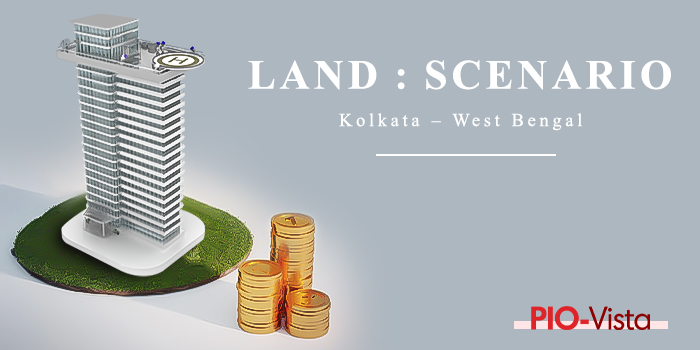
Land is always a critical asset but how does one put a price tag to a parcel of land

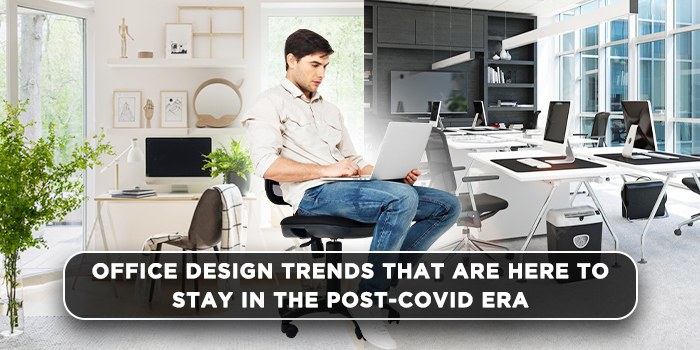
Office design trends that are here to stay in the post-Covid era

The pandemic has turned the world upside down and among so many other things, it is expected to have a huge impact on design trends for future offices. As the world limps back to normalcy and the dark clouds of Covid slowly but surely recede, people the world over are gradually going back to their offices.

But it isn’t easy by any means after months of lockdown, the constant anxiety, suffering, for some losing near and dear ones, and also the cultivated habit of working from home – it’s a big shift and there’s bound to be a lot of mental and physical lethargy. But of course, that will be tinged with the excitement of seeing your workmates in flesh and blood again and feeling that bonding all over once more.

These are factors that the new-age office design (or re-design) elements must be anchored on and that massive metamorphosis from standard office design is happening here and now, all around us. It’s almost like beginning from scratch, since nothing will be the same again, as the entire perspectives of both employer and employee have undergone a sea change.

While organizations have realized the high cost of real estate during the pandemic-induced WFH era and are hence keen on optimizing space, they are also faced with the challenge of motivating their employees to return to office and look ahead with positivity, helping them to tide over the trauma. This is inevitably triggering many a tweak and turn on the design board to create the dynamic, people-friendly, sustainable office today’s world demands.

These are a few design trends that are here to stay:

# Flexi, people-centric workspaces: A hybrid mode of work is the new norm in many organizations, that is a combination of WFH and coming to office in person. So today’s offices need to be nimble and focus on utilizing every sq ft of space by introducing smart features, while at the same time keeping in mind the mental and physical health of the employees. Simple elements like indoor plants, informal seating options, coffee machines and built-in downtime spaces can go a long way in imbibing that positive vibe so essential in this post-pandemic world.

# Sustainable design: With this welcome global chorus on climate change and sustainability, no organization can today remain an ostrich to its carbon footprint and other pollutants its functioning is producing. Hence, new office design or re-design has to be geared towards sustainability, from maximizing natural light and minimizing power consumption to rainwater harvesting to reducing plastic use, there are lots that can be done and built into the new workspace plan.

# Employees’ well-being: Health and well-being of the employees must be accorded maximum priority in commercial properties and etched into the design DNA of today’s workspaces. It always benefits the organization in the long run by way of increased productivity, hence better profits. More and more corporate entities are realizing the import of employee well-being. Healthier office ambience equals to lesser sick days. It’s a simple equation for the employers and the design team. So features like foolproof sanitization, better ventilation, Covid screens, ergonomic chairs and even some indoor games or workout facilities to help staff de-stress are incorporated. Some employers are also offering their employees gym memberships. All these efforts can help significantly in curbing attrition.

# Smart tech: Use of intelligent technology, particularly in a hybrid workspace, can be hugely beneficial. A clutch of digital solutions and smart apps are now available to calibrate space requirement and optimization in minute detail, factoring in all the relevant elements like occupancy level, balancing in-office and remote work modes, managing office resources and facilities, et al. Employees can also immensely benefit from the smart apps which make systems and processes really user-friendly and all modern design solutions usually incorporate these.

# A touch of home in office: With the WFH culture having taken deep roots during the long drawn-out pandemic phase, employees would naturally pine for certain home comforts and vibes by way of inertia. Hence, new-age office designers are careful to incorporate some residential elements like lounges, common spaces to meet up for a coffee, indoor plants, brighter colour schemes, interesting artworks, etc. The idea is to help create a more intimate and inviting ambience so that the employees can enjoy a feel of home at their workplace.

Disclaimer : Information contained and transmitted by us are for information purposes only. All views and/or recommendations are those of the concerned author personally and made purely for information purposes. Nothing contained in the articles should be construed as business, legal, tax, accounting, investment or other advice or as an advertisement or promotion of any project or developer or locality. Pioneer Property Management Ltd. does not offer any such advice. No warranties, guarantees, promises and/or representations of any kind, express or implied, are given as to (a) the nature, standard, quality, reliability, accuracy or otherwise of the information and views provided in (and other contents of) the articles or (b) the suitability, applicability or otherwise of such information, views, or other contents for any person’s circumstances. We shall not be liable nor shall be held responsible in any manner for any action taken based on the published information (whether in law, contract, tort, by negligence, products liability or otherwise) for any losses, injury or damage (whether direct or indirect, special, incidental or consequential) suffered by such person as a result of anyone applying the information (or any other contents) in these articles or making any investment decision on the basis of such information (or any such contents), or otherwise. The users should exercise due caution and/or seek independent advice before they make any decision or take any action on the basis of such information or other contents.

Use of amenities to attract home-buyers

Live. Work. Play. These three words encapsulate the basic drivers that influence home-buying decisions these days. In today’s dense and stressful urban lifestyle, new-age home-seekers are not just looking for a dwelling unit, they are looking for a “home-plus”. They want to live in a space (preferably a gated community) that can calm their minds and help ease their stress through a plethora of built-in features and amenities like clubhouse, gym, swimming pool, children’s park, power backup, safe water supply, a reliable security system and lots more.

Presence of extra features and amenities can often sway the home-buyers’ decision and real estate developers are scrambling to provide as many “plus” features in their projects as they possibly can. Perhaps more so in the post-pandemic world, home-seekers have become much more conscious of both physical and mental well-being, and this is inextricably linked to the social infrastructure of the property. Hence homes are no longer where you return from work only to retire for the day. It’s your personal domain to relax and enjoy with the family.

Some of the common shared amenities provided inside residential complexes are:

# Gymnasium

# Swimming pool

# Children’s play area

# Clubhouse

# Organized parking slots

# 24/7 power backup

# Dedicated power transformer

# Indoor games

# Jogging/walking pathway

# Landscaped greens

# Yoga, meditation center

Why have amenities become such an attractive proposition?

Nowadays, people want to live in residential complexes with a well-planned social infrastructure. The hectic pace of life and the stress it causes have changed the outlook of home-seekers radically. It’s about relaxation, healthy environment as well as entertainment options without having to step out of the housing project.

Some of the reasons why amenities in a residential property are deemed precious include:

# Need to de-stress: Urban stress is the biggest killer today, and people are always looking for avenues to de-stress. So, at the end of a draining workday, what can be more alluring to return home and go for a relaxing swim or a rejuvenating jog on the greens?

# An in-built community: A housing society with multiple amenities also offer a strong sense of community bonding inside the complex itself. Residents come together to celebrate festivals, take part in sports and cultural activities together and in general, make friends and create a micro-community with healthy bonhomie.

# Something in it for all: Extra features designed in modern residential properties are meant to cater to different age groups, hence there’s something for everybody. Whether it’s a morning stroll in the park or a vigorous session of gym-ing, residents of all ages can find their own pursuit.

# The lifestyle quotient: A well-appointed condo complex can boost your lifestyle quotient significantly. Being able to play tennis or billiards or having a meal at the clubhouse restaurant with family and friends without needing to step out is a hugely gratifying luxury.

# Sense of well-being: For a large percentage of the modern home-buyer, personal and family health and well-being is a very important consideration while choosing a home. Hence, well-conceived projects with gym, sports facilities, health spa, yoga and meditation centre, etc are in high demand. Home has to be a holistic entity that helps promote physical, mental and social well-being.

Disclaimer : Information contained and transmitted by us are for information purposes only. All views and/or recommendations are those of the concerned author personally and made purely for information purposes. Nothing contained in the articles should be construed as business, legal, tax, accounting, investment or other advice or as an advertisement or promotion of any project or developer or locality. Pioneer Property Management Ltd. does not offer any such advice. No warranties, guarantees, promises and/or representations of any kind, express or implied, are given as to (a) the nature, standard, quality, reliability, accuracy or otherwise of the information and views provided in (and other contents of) the articles or (b) the suitability, applicability or otherwise of such information, views, or other contents for any person’s circumstances. We shall not be liable nor shall be held responsible in any manner for any action taken based on the published information (whether in law, contract, tort, by negligence, products liability or otherwise) for any losses, injury or damage (whether direct or indirect, special, incidental or consequential) suffered by such person as a result of anyone applying the information (or any other contents) in these articles or making any investment decision on the basis of such information (or any such contents), or otherwise. The users should exercise due caution and/or seek independent advice before they make any decision or take any action on the basis of such information or other contents.

Home buyers in India getting younger

Home buyers are getting younger. Recent studies have revealed that the average age of the Indian home-buyer, which used to be 50-plus earlier, has plunged to the early-30s and even late-20s. Millennials (those born between 1981 and 1996) are driving growth in the property market and being 34% of the population (a whopping 450 million-plus), they are expected to keep propelling the residential realty trade forward over the next few years.

One of the most decisive triggers has obviously been the pandemic. In fact, the millennials accounted for almost half of all properties sold in 2020. Clearly, this is a very critical demographic and many of these young professionals realized the need for their own property during the tough lockdowns and work-from-home protocols precipitated by Covid-19.

A number of other factors have been driving traction from young home-buyers, including low interest rates, health concerns, family pressure and a stable income structure, particularly in the IT/ITeS sector, which employs a large chunk of millennials and has been extremely flexible with remote-work options to curb attrition. Also, obtaining home loans is much easier for youngsters, and the average age of home loan borrowers has also come down drastically, with even 23 to 25-year-olds going in for home loans. Besides, home loans cascade into tax benefits.

Earlier, the young professionals would prefer investing more in asset-class instruments like mutual funds and stocks, but these options aren’t as stable as before. On the flip side, housing is still considered the most stable investment, since the realty market has largely managed to bounce back from the pandemic and also the withstood the blowbacks of the Ukraine conflict.

Another trend among young home-seekers is that they don’t necessarily want to live in the heart of the city or downtown areas anymore. Instead, they are happy residing in the fringe areas or suburbs, where property prices are much more affordable. Also, with the now-must-have flexibility to work from home-offices, small flats are out and 2.5 to 3BHK apartments are in. Real estate developers around the country are already reorienting plans to meet the rising demand in this segment.

What features do the youngsters fancy in their new homes?

# Millennials are tech-savvy and want all the creature comforts smart home features can provide by being electronically and digitally-enabled.

# They are environmentally conscious and often prefer green homes which don’t impact the environment adversely.

# Young home-buyers are not averse to staying in peripheral areas, but there should be comfortable connectivity with the city, to avail of shopping and entertainment options during their downtime.

# Youngsters are also much more health-conscious these days. Hence while looking for homes in leafy and less-polluted localities, built-in facilities like gym, swimming pool and tennis courts are often attractive value-add.

What is the outlook with millennial home-buyers?

Industry experts concur that such is the innate strength of the millennial demand for new homes that all real estate developers must re-calibrate their growth strategy to make this demographic the spearhead of their consumer base and design new supplies accordingly. This means catering to the specific demands of this age group, understanding their needs and aspirations and customizing the apartments/bungalows to satisfy those wants. After all, the millennial home-seekers will continue to have a huge say in moving the needle in the residential property market for years to come.

Disclaimer : Information contained and transmitted by us are for information purposes only. All views and/or recommendations are those of the concerned author personally and made purely for information purposes. Nothing contained in the articles should be construed as business, legal, tax, accounting, investment or other advice or as an advertisement or promotion of any project or developer or locality. Pioneer Property Management Ltd. does not offer any such advice. No warranties, guarantees, promises and/or representations of any kind, express or implied, are given as to (a) the nature, standard, quality, reliability, accuracy or otherwise of the information and views provided in (and other contents of) the articles or (b) the suitability, applicability or otherwise of such information, views, or other contents for any person’s circumstances. We shall not be liable nor shall be held responsible in any manner for any action taken based on the published information (whether in law, contract, tort, by negligence, products liability or otherwise) for any losses, injury or damage (whether direct or indirect, special, incidental or consequential) suffered by such person as a result of anyone applying the information (or any other contents) in these articles or making any investment decision on the basis of such information (or any such contents), or otherwise. The users should exercise due caution and/or seek independent advice before they make any decision or take any action on the basis of such information or other contents.